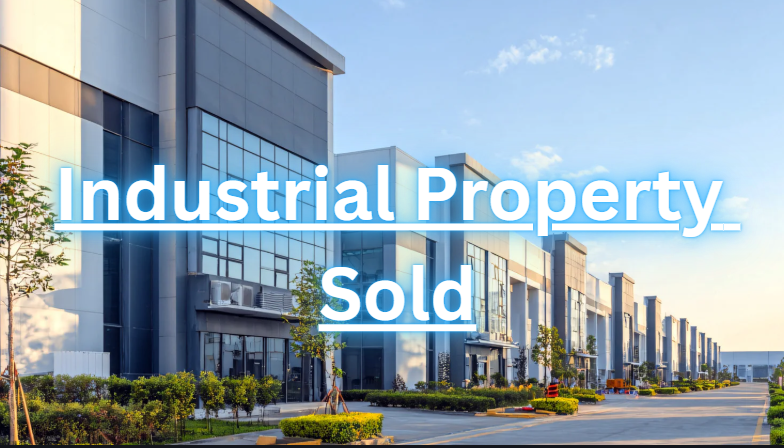
Industrial Property Sold: A Simple Guide for Buyers and Sellers
Industrial property sold is a common topic in real estate, especially as businesses grow and change. Warehouses, factories, plants, and distribution centres are all types of industrial property. When one of these properties is sold, it can affect business plans, jobs, and even local markets.
This article explains what “industrial property sold” means, why these properties are sold, how the selling process works, and what buyers and sellers should know. Everything is written in easy English with clear headings to help you understand the topic better.
Also Read : Comercial Netloop
1. What Does ‘Industrial Property Sold’ Mean?
Industrial property sold simply means that an industrial building or land has been sold from one owner to another. These properties are mainly used for business activities like:
- Manufacturing goods
- Storing products
- Shipping and logistics
- Research and production
When an industrial property is sold, ownership rights transfer after a legal agreement and payment.
2. Types of Industrial Properties Commonly Sold
Not all industrial properties are the same. Some popular types include:
2.1 Warehouses
Used for storage and distribution of goods.
2.2 Factories
Places where products are made or assembled.
2.3 Distribution Centres
Large facilities designed for fast shipping and logistics.
2.4 Industrial Land
Empty land zoned for future industrial use.
Each type has a different value and purpose in the market.
3. Why Industrial Properties Are Sold
There are many reasons why an industrial property may be sold:
3.1 Business Growth
A company may need a bigger space and sell its old property.
3.2 Business Closure
If a business shuts down, selling the property helps recover money.
3.3 Investment Profit
Investors sell industrial property to earn profit when prices rise.
3.4 Relocation
Companies move to better locations for transport or labour access.
4. How the Industrial Property Sale Process Works
Selling industrial property follows a clear process:
4.1 Property Valuation
Experts estimate the market value based on location, size, and condition.
4.2 Listing the Property
The property is listed through agents or private listings.
4.3 Buyer Inspection
Buyers inspect the building, land, and legal papers.
4.4 Price Negotiation
Both parties agree on a fair selling price.
4.5 Legal Transfer
Contracts are signed, payment is made, and ownership changes.
5. Key Things Buyers Should Check
Before buying an industrial property, buyers should review:
- Zoning laws and permits
- Building condition and safety
- Transport access and roads
- Utility connections (water, power, gas)
- Environmental rules
Skipping these checks can cause problems later.
6. Important Tips for Sellers
If you are selling industrial property, these tips can help:
6.1 Set a Realistic Price
Overpricing can delay the sale.
6.2 Improve Property Appeal
Clean and repair the building before listing.
6.3 Prepare Documents
Keep land records, tax papers, and permits ready.
6.4 Hire Professionals
Agents and legal experts make the process easier.
7. Benefits of Selling Industrial Property
Selling industrial property can bring many advantages:
- Large cash return
- Reduced maintenance costs
- Opportunity to invest elsewhere
- Business expansion funds
For investors, it can mean strong returns on investment.
8. Common Challenges in Industrial Property Sales
Even though sales can be profitable, challenges exist:
- Long selling time
- Complex legal rules
- Environmental clearance issues
- Finding the right buyer
Planning ahead helps avoid these problems.
9. Market Trends in Industrial Property Sales
Industrial property sales are growing due to:
- Online shopping demand
- Increased warehousing needs
- Industrial zone development
- Global trade growth
Many investors see industrial property as a stable and long-term asset.
10. Final Thoughts on Industrial Property Sold
Industrial property sold is more than just a real estate deal. It plays a key role in business growth and economic development. Whether you are buying or selling, understanding the process, value, and legal aspects is very important.
With proper planning, expert advice, and clear goals, an industrial property sale can be smooth and profitable for both sides.
FAQs
Q1. What is considered industrial property?
Industrial property includes warehouses, factories, distribution centres, and industrial land used for business operations.
Q2. Is industrial property a good investment?
Yes, industrial property often offers stable income and long-term value growth.
Q3. How long does it take to sell industrial property?
It depends on location, price, and demand. Some sales take months, others longer.
Q4. Do I need an agent to sell industrial property?
It is not required, but agents help find buyers faster and handle paperwork.
Q5. What documents are needed to sell industrial property?
Ownership papers, tax records, zoning approvals, and sale agreements are usually required.