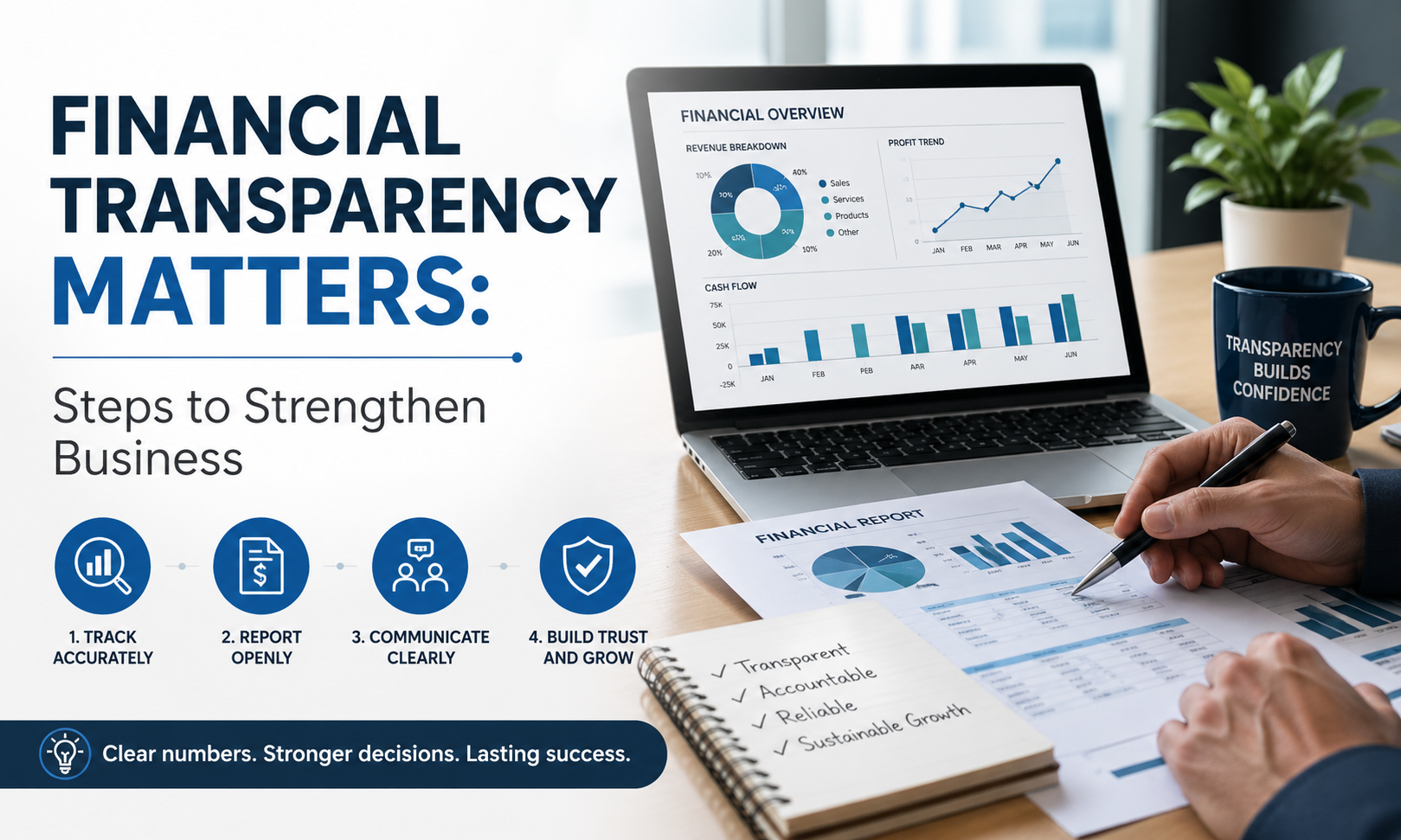
Financial transparency plays a crucial role in building trust, ensuring compliance, and maintaining the long-term stability of any organization. Businesses that maintain accurate records are better positioned to make informed decisions and avoid regulatory complications. Clear documentation and systematic accounting practices allow organizations to track financial activities with confidence while also improving accountability within the organization. For many companies, professional guidance from experts offering audit and assurance services in Pune helps ensure that financial records remain accurate and aligned with statutory requirements. By strengthening internal systems and maintaining well-organized financial data, businesses can create a reliable structure that supports both operational efficiency and financial credibility.
Strong Internal Documentation Practices
Businesses must maintain clear records of every financial transaction to ensure accountability and compliance. Proper documentation supports accurate reporting and simplifies the process of financial verification when reviews take place.
- Maintaining Accurate Transaction Records
Businesses should document details such as payment amounts, dates, and relevant references for every transaction. Accurate records allow accountants and financial teams to review transactions efficiently. When documentation is thorough and precise, it becomes easier to detect discrepancies and maintain transparency in financial reporting. - Organizing Financial Documents Systematically
Companies benefit from grouping documents according to revenue, expenses, payroll, and investments. A clear system for organizing financial documents helps accounting teams locate records quickly. Well-structured documentation also improves efficiency during internal reviews and reduces confusion when verifying financial statements. - Ensuring Consistent Record-Keeping Practices
Businesses should follow standardized procedures for recording transactions and maintaining accounts. When accounting practices remain consistent, it becomes easier to analyze financial trends over time. Uniform record-keeping also strengthens the reliability of financial data and supports accurate reporting. - Retaining Documents for Regulatory Purposes
Maintaining financial records for the required time period ensures compliance with legal and regulatory expectations. Proper document retention policies protect organizations in case of regulatory inspections or financial reviews. Historical financial data also becomes valuable when evaluating long-term business performance. - Digitizing Financial Records
Electronic accounting systems help businesses manage documents efficiently and reduce the risk of physical loss. Digitization also allows multiple stakeholders to access records when required. Secure digital storage contributes to better organization and faster financial verification.
Strengthening Financial Oversight
Financial oversight ensures that business activities are monitored carefully and that records remain accurate. Effective monitoring systems help organizations maintain accountability and reduce the risk of financial discrepancies.
- Establishing Internal Control Systems
Internal controls provide structured procedures for authorizing and recording transactions. These controls help ensure that financial activities are conducted responsibly. When businesses implement checks and balances, they reduce the likelihood of errors or unauthorized transactions. - Periodic Evaluation of Accounting Processes
Reviewing accounting procedures regularly helps identify inefficiencies or inconsistencies. Businesses can evaluate whether existing systems effectively support financial accuracy. Process evaluations also allow organizations to update procedures when regulations or operational needs change. - Independent Financial Verification
Independent reviews play an important role in maintaining financial transparency and accuracy. In this process, audit and assurance services provide an objective evaluation of financial records and reporting practices. Such assessments help confirm that financial statements reflect the organization’s true position while strengthening stakeholder confidence in financial reporting. - Segregation of Financial Responsibilities
Assigning different financial responsibilities to separate individuals helps reduce risks. When responsibilities such as authorization, recording, and verification are distributed among multiple employees, errors are less likely to occur. This separation also improves accountability across financial operations. Clear role distribution supports a stronger control environment.
Structured Financial Reviews
Periodic financial reviews help organizations evaluate their financial status and confirm compliance with reporting standards. These reviews provide insights into operational efficiency and financial stability.
- Examination of Financial Statements
Financial statements provide valuable insights into the financial health of an organization. Reviewing balance sheets, income statements, and cash flow reports ensures that financial data is accurate. A detailed examination helps identify inconsistencies or misclassifications in financial records. - Assessment of Accounting Policies
Organizations must regularly review their accounting policies to ensure alignment with regulatory standards. Changes in financial regulations may require updates to accounting practices. Evaluating policies helps maintain consistency and transparency in financial reporting. - Verification of Supporting Documentation
Every entry in the financial records should have supporting documentation. Verifying invoices, receipts, and agreements ensures that financial data is reliable. Supporting documents confirm that recorded transactions are legitimate and properly documented. - Evaluation of Regulatory Compliance
Compliance with financial regulations is essential for avoiding penalties and maintaining credibility. Structured reviews examine whether financial reports align with statutory requirements. Professionals conducting audit and assurance services often assess compliance to ensure that organizations meet reporting standards. - Identification of Financial Risks
Financial reviews help organizations detect potential risks in areas such as liabilities, expenses, and cash flow management. Identifying risks early allows management to implement corrective strategies. Risk evaluation supports more informed decision-making.
Transparency Through Financial Reporting
Transparent financial reporting builds confidence among stakeholders and strengthens the organization’s credibility. Reliable reporting ensures that financial activities are clearly communicated.
- Preparation of Comprehensive Reports
Detailed financial reports provide stakeholders with a clear understanding of the company’s financial performance. Accurate reporting reflects transparency and accountability. Businesses that maintain comprehensive reports demonstrate responsible financial management. - Consistency in Reporting Frameworks
Using recognized reporting frameworks ensures uniform financial disclosures. Consistent frameworks help stakeholders interpret financial information accurately. Standardized reporting also improves comparability between financial periods. - Clear Communication with Stakeholders
Transparent communication builds trust between businesses and stakeholders. Investors, partners, and regulators rely on clear financial information to make decisions. Open communication demonstrates accountability and professionalism. - Regular Financial Performance Reviews
Reviewing financial performance regularly allows businesses to track progress toward goals. Performance evaluations provide insights into revenue patterns, expenses, and profitability. Such reviews support strategic planning and operational improvements.
Conclusion
Building financial transparency requires consistent documentation, effective oversight, and disciplined financial reporting. Businesses that maintain structured financial systems are better equipped to manage compliance requirements and build long-term credibility.
Organizations seeking reliable financial guidance often turn to experienced advisory firms with strong expertise in auditing and compliance. In this regard, firms such as Sachin Gujar & Associates are recognized for delivering dependable financial guidance and precise audit practices. Their approach reflects the professional standards maintained by reputable Indian CA firms, helping businesses strengthen financial records while maintaining transparency and regulatory confidence.